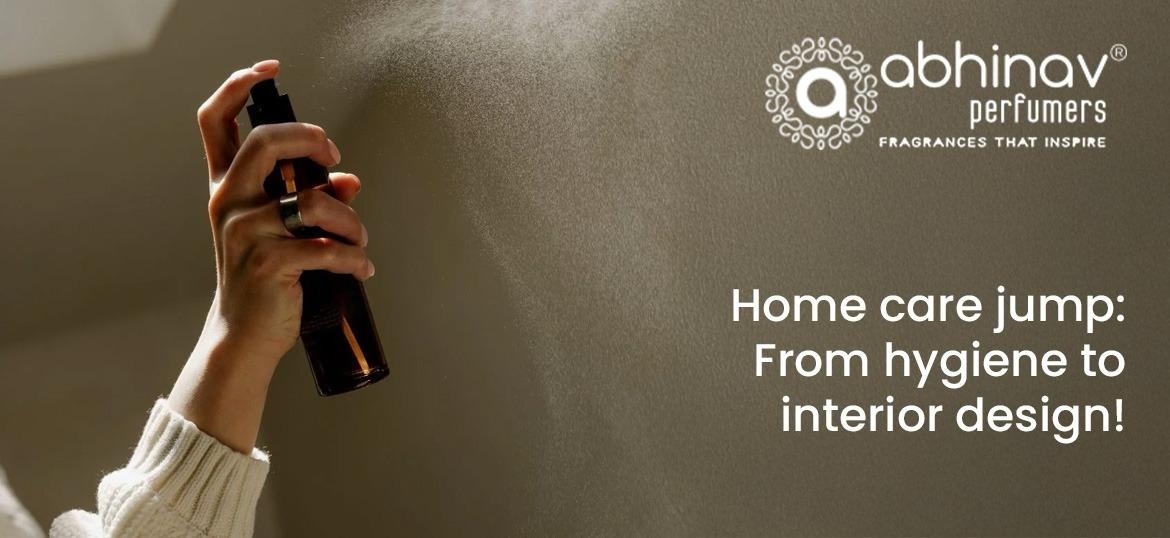
The Shift From Cleaning Utility to Sensory Living Spaces Home care products were traditionally designed with a single objective: cleaning performance. Surfaces had to be disinfected, stains removed, and odour eliminated. In this framework, fragrance played a secondary role, often used only to signal freshness after cleaning. This structure is now changing rapidly. Across global […]
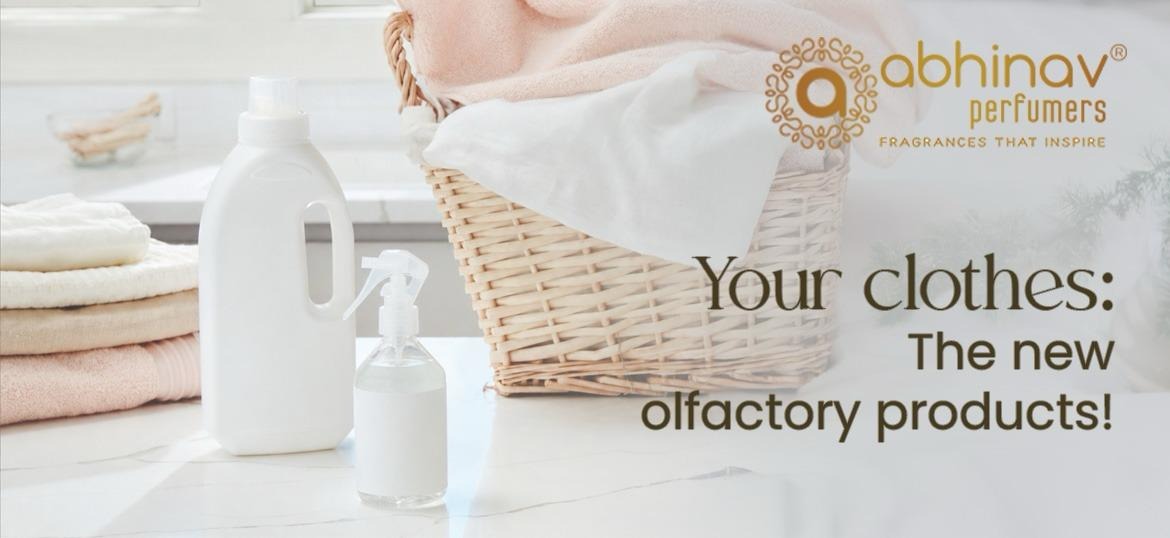
New Shifts in Fabric Care Fragrances: Are Laundry Products Becoming Wearable Fragrances?
Fabric care products have traditionally been defined by function. Detergents remove dirt, fabric conditioners soften textiles, and fabric care fragrances provide a sense of freshness after washing. This structure is now evolving. Across global FMCG markets, fabric care fragrance is no longer limited to post-wash freshness. It is increasingly influencing how consumers perceive clothing during […]
How Product Texture Changes the Way Consumers Experience Fragrance
Personal care products are often evaluated through fragrance alone. In product development conversations with personal care fragrance manufacturers and industrial personal care fragrance manufacturers, fragrance is frequently treated as an independent sensory layer that can be designed separately from the base. However, in real-world consumer experience, fragrance never exists in isolation. The texture of the […]

The Fine Fragrance SKU Trap: Why More Perfume Variants Don’t Always Mean More Sales
Fine fragrance manufacturers operate in a market where visibility, recall, and emotional differentiation define success. Over the past decade, portfolio expansion has become the dominant growth strategy. Brands continuously introduce flankers, limited editions, seasonal interpretations, and reformulated variations of existing perfumes. The assumption guiding this strategy is simple. Increasing the number of perfume SKUs should […]