

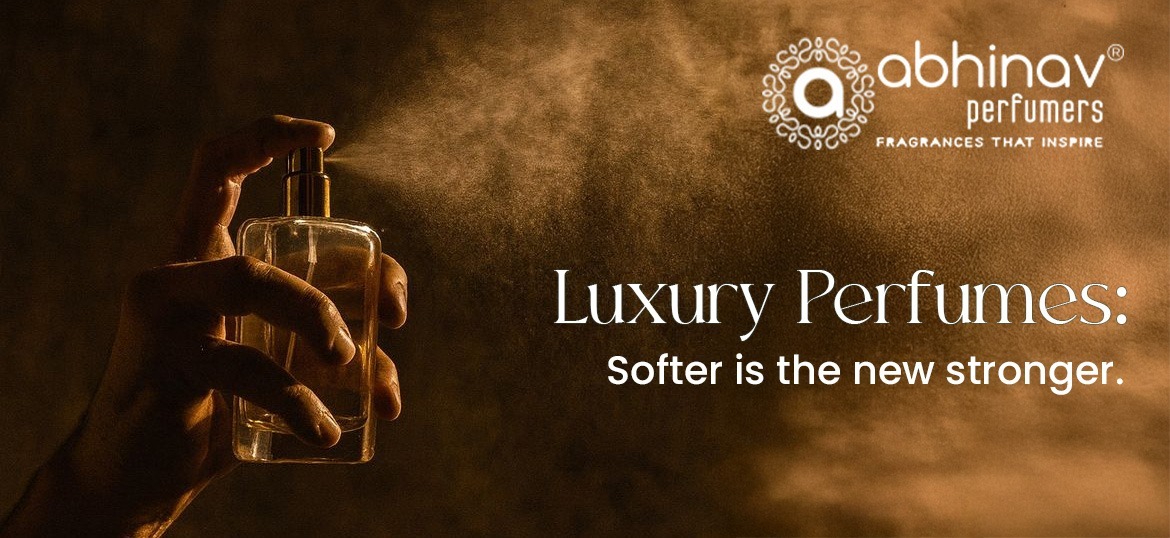
The Direction of Luxury Fine Fragrance Is Changing
Luxury fragrance once followed a clear formula. Strong projection, long-lasting diffusion, and room-filling intensity defined premium positioning. A powerful fragrance trail communicated status, confidence, and visibility.
That direction is now changing.
Modern luxury fine fragrance is becoming softer, closer, and more restrained. Heavy projection is gradually giving way to skin-level elegance. Consumers increasingly prefer fragrances that stay intimate instead of dominating environments.
This shift is influencing fragrance development across global markets.
Fine fragrance brands are reformulating around:
- softer diffusion
- airy structures
- transparent compositions
- subtle warmth
- controlled longevity
The industry is entering a quieter phase of luxury.
For fragrance manufacturers, this transition reflects deeper cultural and psychological changes shaping consumer behavior.
Why Strong Fragrances Dominated Earlier Luxury Markets
Earlier luxury fragrance trends were shaped by visibility. Consumers wanted fragrances that announced presence immediately.
Several factors influenced this direction.
Fragrance as Status Signaling
Strong fragrances created recognition. Projection became associated with confidence and sophistication.
Competitive Retail Environment
Department store testing environments favored loud fragrances. Strong openings performed better during quick consumer evaluation.
Long-Lasting Performance Expectations
Consumers equated stronger projection with higher value.
Power Dressing Culture
Fashion and fragrance once followed similar aesthetics. Visibility and impact were central themes.
This created decades of intense floral, woody, amber-heavy, and oriental compositions designed for maximum diffusion.
Why Consumer Preferences Are Becoming Softer
Modern luxury consumers are behaving differently.
The preference for softer fine fragrance reflects broader lifestyle changes.
Quiet Luxury Has Influenced Fragrance
Luxury aesthetics increasingly favor understatement. Minimal branding, refined materials, and subtle presentation now communicate premium value more effectively than loud display.
Fragrance is following the same direction.
Consumers Spend More Time in Shared Spaces
Open offices, public transport, restaurants, and indoor social environments have increased awareness around fragrance intensity.
Soft fragrances feel socially easier to wear.
Wellness Culture Has Changed Sensory Preferences
Consumers increasingly seek comfort, calmness, and emotional balance. Extremely powerful fragrances often feel mentally exhausting.
Skin-Centric Beauty Trends
Modern beauty culture emphasizes natural skin texture and personal comfort. Fragrance is becoming an extension of skin rather than an external statement.
These shifts are redefining luxury fragrance expectations.
The Rise of Skin Scents and Intimate Fragrance
One of the strongest modern trends is the growth of skin scents.
These fragrances remain close to the body and create a soft aura rather than a large projection cloud.
Consumers increasingly prefer fragrances that:
- reveal themselves gradually
- feel personal
- interact softly with body warmth
- create subtle familiarity
This creates a more intimate fragrance experience.
Luxury is increasingly associated with refinement rather than intensity.
Softer Fragrance Requires Greater Technical Precision
Many consumers assume softer fragrances are easier to formulate. The opposite is often true.
Heavy fragrances rely on large structures and powerful materials. Softer fine fragrance compositions require precise balancing.
The challenge lies in maintaining:
- elegance
- longevity
- texture
- diffusion control
- emotional warmth
without overwhelming the wearer.
This demands advanced formulation expertise from fine fragrance manufacturers.
The Evolution of Modern Fragrance Notes
Modern luxury fine fragrance structures are shifting toward:
- airy musks
- soft woods
- skin-like amber notes
- transparent florals
- creamy textures
- delicate gourmand nuances
Earlier fragrance eras favored density and saturation. Current fragrance trends focus on movement, softness, and breathable composition.
Consumers increasingly describe premium fragrances using words such as:
- clean
- soft
- creamy
- airy
- warm
- comfortable
This vocabulary reflects a major sensory shift.
Why Younger Consumers Prefer Softer Fine Fragrance
Younger consumers are influencing fragrance direction significantly.
Gen Z and younger millennial audiences often reject highly formal luxury codes. Their fragrance preferences prioritize:
- wearability
- emotional comfort
- individuality
- softness
- layering flexibility
Many younger consumers wear fragrance daily rather than occasionally. Softer structures suit this behavioral change.
Social media has also influenced fragrance preferences. Consumers increasingly discuss:
- skin scent effect
- personal aura
- quiet sophistication
- effortless freshness
This creates demand for restrained fragrance structures.
The Shift Away From Aggressive Projection
Projection once acted as a key selling point in luxury fragrance marketing.
Current premium fragrance buyers increasingly prefer controlled diffusion.
Several factors contribute to this shift.
Fragrance Fatigue
Continuous exposure to strong fragrances creates sensory exhaustion.
Sophistication Through Restraint
Subtle fragrance often feels more refined than loud projection.
Modern Luxury Is Becoming More Personal
Consumers increasingly buy fragrance for self-experience rather than public attention.
Intimacy Has Become More Valuable
Fragrance now functions as personal comfort and emotional atmosphere.
This changes how fine fragrance is evaluated.
Why Longevity Still Matters
Although projection is becoming softer, longevity remains extremely important.
Consumers still expect premium fragrances to:
- remain stable throughout the day
- evolve gradually
- maintain skin presence
- create lasting emotional experience
The modern challenge lies in achieving long wear without overwhelming intensity.
This requires:
- balanced evaporation curves
- advanced fixative systems
- skin-compatible diffusion
- controlled volatility
Modern fine fragrance engineering depends heavily on precision.
Role of Fine Fragrance Manufacturers in This Transition
Fine fragrance manufacturers are adapting rapidly to these market changes.
Development priorities increasingly include:
- texture refinement
- skin interaction
- softness engineering
- emotional comfort perception
- low-fatigue fragrance systems
The focus has shifted toward sensory sophistication.
Modern fragrance creation now requires understanding:
- psychology
- environmental behavior
- social dynamics
- skin chemistry
- lifestyle trends
This expands the role of fragrance manufacturers far beyond perfume composition.
The Influence of Fine Dining, Fashion, and Interior Trends
Luxury fragrance trends rarely evolve independently.
The movement toward softness mirrors developments across luxury industries.
Fashion
Muted colors and understated tailoring dominate modern luxury fashion.
Interior Design
Soft textures, warm minimalism, and calming environments influence sensory expectations.
Fine Dining
Balanced and restrained flavor structures increasingly define premium culinary experiences.
Fragrance is responding to the same cultural movement.
Luxury increasingly communicates through subtle refinement instead of visible excess.
Why Softer Fine Fragrance Feels More Expensive
Interestingly, many consumers now associate softer fragrances with higher quality.
Several psychological factors contribute to this perception.
Smoothness Suggests Precision
Balanced fragrances feel technically refined.
Loudness Is Increasingly Linked to Mass Market Products
Extremely strong fragrances sometimes feel commercially aggressive.
Subtlety Creates Discovery
Soft fragrances unfold gradually, creating emotional engagement.
Skin Integration Feels Premium
Consumers increasingly value fragrances that blend naturally with body chemistry.
This changes how luxury is perceived in fragrance markets.
How Abhinav Perfumers Supports Modern Fine Fragrance Development
Abhinav Perfumers develops fine fragrance solutions aligned with evolving luxury preferences.
The focus includes:
- softer diffusion structures
- skin-compatible fragrance systems
- modern gourmand textures
- controlled longevity
- refined fragrance layering
The company supports fragrance development across personal care and fine fragrance applications.
By combining market understanding with formulation expertise, Abhinav Perfumers helps brands create fragrances that align with contemporary luxury expectations.
The Future of Luxury Fine Fragrance
Luxury fragrance is likely to continue moving toward:
- emotional comfort
- airy structures
- cleaner compositions
- intimate diffusion
- skin-level sophistication
Consumers increasingly value fragrances that integrate naturally into daily life.
The future may involve:
- adaptive fragrance technologies
- hyper-personalized scent profiles
- low-allergen systems
- wellness-oriented fragrance design
The language of luxury fragrance is becoming quieter but more emotionally layered.
Why Softness Is Becoming the New Luxury Signal
Luxury markets evolve through cultural contrast.
When excess dominates for long periods, restraint begins to feel premium. Modern fine fragrance is entering this phase.
Consumers increasingly interpret:
- softness as confidence
- subtlety as sophistication
- balance as refinement
The fragrance industry is adapting accordingly.
Projection remains important, but controlled projection now feels more modern than overwhelming intensity.
Modern luxury fine fragrance is undergoing a major transformation. Strong projection and heavy saturation are gradually giving way to softness, intimacy, and refinement.
This shift reflects changing consumer psychology, wellness culture, and evolving luxury aesthetics.
Fine fragrance manufacturers now focus heavily on balance, texture, and emotional comfort. The goal is creating fragrances that feel elegant and personal rather than aggressively noticeable.
As fragrance culture evolves, softness is emerging as a powerful new luxury language.
The future of fine fragrance belongs to compositions that stay close, feel refined, and create lasting emotional presence through restraint rather than volume.