

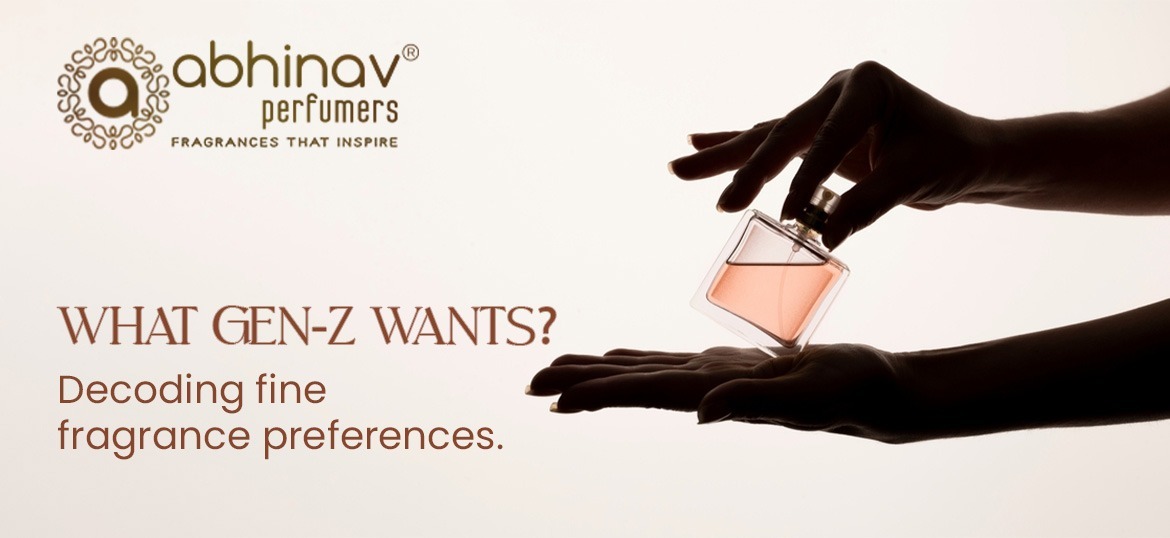
Gen Z is transforming the global fragrance landscape faster than any other generation. This group does not follow the rules that guided Millennials or Gen X. They buy differently, they think differently and they express themselves differently. Their preferences are fluid, experimental and rooted in identity.
For fine fragrance manufacturers and perfume manufacturers, understanding this shift is no longer optional. It is the only way to create the next blockbuster perfume that captures consumer attention and stays relevant in a rapidly evolving market.
This article breaks down the behavioral logic behind Gen Z fragrance decisions, explains the trends shaping their tastes and outlines how industrial fine fragrance manufacturers can help brands build perfumes that resonate with this influential generation.
The Growing Influence of Gen Z in the Global Fragrance Market
Gen Z contributes a steadily rising share of global fragrance purchases. Their buying power increases every year as more members of this demographic enter the workforce. Brands that once targeted niche audiences are now reshaping their strategy to appeal to this generation. Fine fragrance manufacturers see the shift clearly through the briefs they receive. Brands want fragrances that feel younger, lighter and more expressive.
Size and purchasing power
Gen Z already represents one third of the global population. Their collective spending power crosses hundreds of billions of dollars annually. More importantly, this generation makes purchasing decisions at a much younger age than previous groups. Exposure to beauty and personal expression tools online has made fragrance an early lifestyle accessory.
How Gen Z reshapes fine fragrance
Across global markets, fine fragrance manufacturers notice reduced demand for heavy compositions and increased interest in transparent and identity driven fragrance directions. This generation prefers aromas that reflect individuality rather than conformity.
Rising expectations from perfume manufacturers
Brands want perfume manufacturers who understand not only technical construction but also cultural shifts. Industrial fine fragrance manufacturers must balance creativity with performance, transparency and emotional impact while working under shorter development cycles.
Understanding the Gen Z Mindset
Gen Z is shaped by a world of rapid information, social platforms and self expression. Everything they buy needs to match how they see themselves. This includes what they spray on their skin and hair or use on their clothing and surroundings. Their mindset is less about tradition and more about experimentation.
Individuality as a foundation: This generation does not want a perfume that everyone else wears. They prefer subtle differentiation or strong uniqueness depending on personality. They move away from traditional categories and are comfortable exploring unfamiliar fragrance territories.
Self expression through personal accessories: Gen Z sees fragrance as a tool to express identity. It reflects mood, context and intention. Perfume is no longer tied only to special occasions. It has become part of daily self creation.
Shift from classic categories to fluid preferences: They do not think in rigid masculine or feminine terms. They explore hybrid categories that merge light, clean, bright, creamy or spicy elements in unexpected ways. Industrial fine fragrance manufacturers innovate with new combinations to satisfy this appetite for novelty.
What Gen Z Wants in Fine Fragrances
Fine fragrance manufacturers should understand the pillars shaping Gen Z choices.
Preference for authenticity: They want something that feels real. This does not mean natural. It means transparent communication and clarity of purpose. A fragrance must feel intentional.
Demand for meaningful storytelling: While the blog avoids the use of quotes, it is still important to highlight that Gen Z associates perfume with stories, emotions and cultural references. Brands give context that elevates the fragrance beyond a regular purchase.
Focus on mood based choices: Gen Z picks fragrances based on how they want to feel. Calm, confident, energetic or mysterious. Perfume manufacturers design compositions that support these emotional cues.
Minimalism and clarity: They dislike cluttered compositions. They prefer fragrances that feel clean, purposeful and easy to understand. The construction may be complex, but the experience must feel comforting and well balanced.
Breaking Traditional Fragrance Norms
The classic divide between masculine and feminine perfumes is losing relevance. Gen Z enjoys fluidity. They experiment with contrasts and combinations that earlier generations may have rejected.
Decline of rigid categories: Citrus, woody, sweet or spicy compositions are no longer tied to gender. They are tied to personal identity.
Rise of experimental combinations: Industrial fine fragrance manufacturers now work with pairings that once seemed unusual. This includes softened woods, airy musks, warmer spices paired with freshness and subtle fruit effects combined with depth.
The move toward soft power perfumes: Softness, transparency and subtle projection dominate the Gen Z landscape. They prefer fragrances that quietly express presence rather than aggressively dominate a space.
The Behavioral Blueprint Behind Gen Z Choices
Understanding Gen Z requires more than reading trend reports. Their decisions reflect deeper psychological patterns.
Sensory driven decision making: Gen Z evaluates how the fragrance evolves over time. They pay attention to uplift, transition and dry down. Performance matters to them, but not in the same way as previous generations. They want balance, smoothness and a comfortable finish.
Influence of social communities: Reviews, influencers, micro creators and online fragrance circles have a significant impact. This generation trusts peer experiences more than brand claims.
Evaluation of longevity and uniqueness: Gen Z values performance but prefers longevity that feels natural rather than overwhelming. Industrial fine fragrance manufacturers thus create long lasting yet airy compositions that remain pleasant on the skin.
Interest in sustainability and transparency: They want to know how a product is made. Perfume manufacturers show commitment to traceable practices and global standards.
What This Means for Fine Fragrance Manufacturers
Fine fragrance manufacturers now operate in a landscape where consumer behavior dictates creative strategy.
Data driven fragrance innovation: Manufacturers use global insights, analytics and trend forecasting to predict what Gen Z will gravitate toward.
Faster experimentation cycles: Gen Z changes preferences quickly. Industrial fine fragrance manufacturers need the agility to create variations rapidly for brand partners.
Emotion centric fragrance construction: Modern compositions connect to emotions. Brands and manufacturers need to translate psychological cues into olfactive form.
How Industrial Fine Fragrance Manufacturers Support Brands
Fine fragrance manufacturers shape the success of brands by offering design precision and technical reliability.
Alignment with consumer psychology
The fragrance reflects real behavioral trends. Manufacturers analyze purchase patterns and cultural movements to create relevant compositions.
Excellence in balance and stability
Industrial fine fragrance manufacturers ensure that the fragrance maintains its structure across climates, skin types and storage conditions.
Clean and transparent formulations
Brands increasingly ask for clarity around raw materials. Manufacturers are expected to meet expectations without compromising performance.
Differentiation in crowded markets
Manufacturers help brands stand out by creating fragrances that feel distinct yet accessible.
The Art of Crafting the Next Gen Z Hit Perfume
A next generation perfume emerges through careful planning. It does not rely on random experimentation. It follows a clear blueprint.
Step 1: market mapping: Identify the gap in the market based on category trends and consumer behavior.
Step 2: olfactive positioning: Determine where the fragrance should sit on the brand map.
Step 3: building the core accord: Create the emotional center of the fragrance.
Step 4: testing with Gen Z clusters: Collect feedback from relevant focus groups.
Step 5: refinement for loyalty: Enhance transitions, improve comfort and adjust longevity to create a signature effect.
The role of perfume manufacturers
Brands depend on experienced perfume manufacturers who understand the science of performance and the art of storytelling without needing to rely on unnecessary theatrics.
The Road Ahead for Brands Targeting Gen Z
Gen Z is shaping trends for the next decade. Their tastes will continue evolving, but the themes of individuality, transparency and emotional resonance will remain strong.
Trends shaping the next five years
Softness, hybrid constructions, minimalist structures, comfort driven experiences and fluid identity categories.
Behavioral insights matter more than trends
A fragrance succeeds not because it follows a trend but because it connects to consumer behavior.
Building staying power
To win Gen Z loyalty, it’s important to build fragrances that feel personal, intuitive and expressive.
The Gen Z fragrance market is vast and full of opportunity. Fine fragrance manufacturers and industrial fine fragrance manufacturers who understand the behavioral logic behind this group will be able to help brands create hits that travel across markets. Perfume manufacturers like Abhinav Perfumers focus on identity, emotion and balance to design compositions that match Gen Z expectations. The brands that embrace this blueprint will shape the next wave of global perfume innovation.