

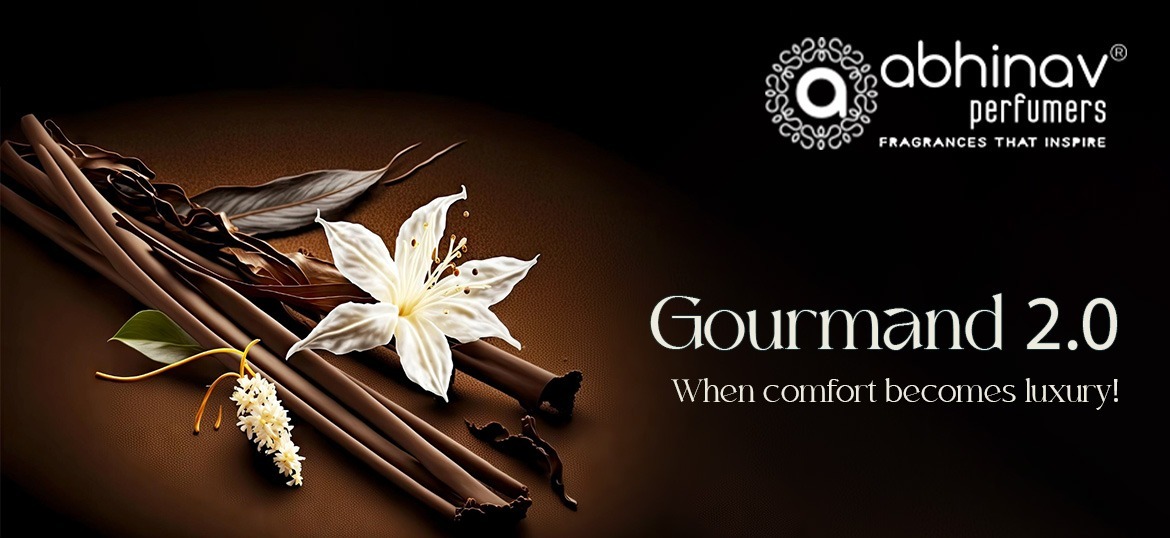
Gourmand fragrances have long occupied a distinct space in perfumery. They evoke appetite, warmth, and familiarity through edible-inspired notes. Once dominated by overt sweetness, this category is now undergoing a noticeable transformation. The new generation of gourmand fragrances is quieter, more layered, and intentionally restrained. This evolution, often referred to as Gourmand 2.0, reflects how comfort scents are being redefined as luxury staples rather than playful novelties.
For fragrance manufacturers and luxury fragrance manufacturers, this shift represents a strategic opportunity. Mature gourmand profiles now appeal to discerning consumers who seek emotional comfort without sacrificing sophistication. Industrial fragrance manufacturers are playing a crucial role in shaping this category by translating culinary inspirations into refined, scalable fine fragrances.
What Are Gourmand Fragrances
Gourmand fragrances are compositions built around notes that resemble edible ingredients. Vanilla, chocolate, caramel, honey, and sugar accords form the foundation of this family. The term gained prominence in modern perfumery when fragrances began intentionally mimicking desserts and confectionery experiences.
Initially, gourmand fragrances were designed to be instantly recognizable and emotionally engaging. Their appeal lay in indulgence and familiarity. These scents performed well in mass-market and entry-level premium segments, where sweetness was associated with comfort and approachability.
The Limits of Traditional Gourmand Scents
As gourmand fragrances gained popularity, repetition followed. Excessive reliance on sugar-heavy accords led to predictability. Many fragrances began to smell similar, creating saturation within the category. Over time, overly sweet profiles started to feel immature to a segment of consumers who desired depth and longevity.
In the luxury fragrance space, this posed a challenge. Sweetness without complexity often reduces perceived value. Longevity and wearability also became concerns, as linear sugary notes could feel overwhelming or cloying over extended use. This created a natural inflection point for evolution.
The Rise of Gourmand 2.0
Gourmand 2.0 reflects a shift from literal sweetness to textural richness. Instead of replicating desserts, modern gourmand fragrances suggest warmth and comfort through layered contrasts. Sweet notes are tempered by woods, musks, spices, and dry accords.
This change mirrors broader consumer behavior. Buyers are increasingly drawn to fragrances that feel personal, calming, and emotionally grounding. At the same time, they expect refinement and subtlety. Niche perfumery and artisanal food culture have influenced this movement, encouraging experimentation with balance rather than excess.
Key Notes Defining Sophisticated Gourmand Fragrances
Modern gourmand fragrances rely on carefully selected ingredients that suggest indulgence without overwhelming the senses.
Pistachio has emerged as a key note due to its creamy yet earthy character. It delivers familiarity while remaining understated. Marshmallow is being reinterpreted through musks and soft woods, reducing its sweetness while retaining its comforting identity. Roasted notes, such as toasted nuts, coffee, and caramelized sugar, introduce warmth and texture without relying on syrupy effects.
These compositions often include subtle bitterness, dryness, or smokiness to counterbalance sweetness. The result is a fragrance that feels layered and wearable across seasons.
Why Gourmand 2.0 Fits the Luxury Segment
Luxury fragrances are defined by nuance, longevity, and emotional resonance. Gourmand 2.0 aligns naturally with these expectations. The comfort provided by edible-inspired notes is preserved, but the execution is elevated through restraint and complexity.
Sophisticated gourmand fragrances unfold gradually on skin. They create a sense of intimacy rather than instant impact. This slower evolution enhances perceived value and supports premium pricing. For luxury fragrance manufacturers, this category allows storytelling rooted in emotion, memory, and craftsmanship rather than novelty.
Consumer Psychology Behind Comfort Scents
Comfort has become a central theme in modern consumer choices. Fragrance buyers increasingly seek scents that provide emotional reassurance. Gourmand 2.0 fulfills this need by referencing familiar sensations in a mature form.
These fragrances often trigger nostalgia without being literal. They recall warmth, calm, and safety while remaining contemporary. This balance appeals to a wide demographic, making comfort-driven luxury fragrances commercially resilient across markets.
Role of Fragrance Manufacturers in Gourmand Evolution
Creating a refined gourmand fragrance requires technical precision. Sweet notes must be carefully calibrated to avoid overpowering the composition. Texture, diffusion, and stability are critical considerations.
Fragrance manufacturers bring formulation expertise that allows edible inspirations to be transformed into fine fragrances suitable for long-term wear. Ingredient selection, accord balance, and performance testing all contribute to the final outcome. This is where industrial fragrance manufacturers differentiate themselves.
How Industrial Fragrance Manufacturers Enable Innovation
Industrial fragrance manufacturers provide the infrastructure necessary to scale sophisticated gourmand fragrances without losing nuance. From sourcing high-quality aroma chemicals to ensuring batch-to-batch consistency, their role extends beyond creativity into reliability.
Fragrance manufacturers like Abhinav Perfumers support fragrance brands by developing gourmand compositions that align with evolving luxury expectations. By combining creative insight with technical capability, Abhinav Perfumers helps brands translate comfort-driven concepts into market-ready fine fragrances. Their expertise ensures stability, compliance, and sensory refinement across production volumes.
Market Opportunities for Fragrance Brands
Gourmand 2.0 opens new positioning opportunities. These fragrances can be marketed as year-round signatures rather than seasonal indulgences. Their versatility allows expansion into fine fragrance, personal care, and even lifestyle categories.
Limited editions, layered collections, and signature gourmand profiles enable brands to differentiate themselves while maintaining coherence. The emotional appeal of comfort scents also supports repeat purchases and brand loyalty.
Challenges in Developing Mature Gourmand Fragrances
Despite their appeal, sophisticated gourmand fragrances present challenges. Achieving balance is critical. Excess sweetness can undermine luxury positioning, while excessive dryness can dilute the gourmand identity.
Olfactory clarity must be maintained across wear time. Fragrances should evolve without losing coherence. This requires experience and rigorous testing, reinforcing the importance of working with capable fragrance manufacturers.
Future Outlook of Gourmand Fragrances
The future of gourmand fragrances lies in continued experimentation. Savory nuances, fermented notes, and unexpected textures are likely to gain prominence. Culinary innovation will continue to influence perfumery, but interpretation will remain abstract rather than literal.
Gourmand 2.0 is no longer a trend confined to niche perfumery. It has established itself as a durable luxury category with broad consumer appeal. For fragrance manufacturers and industrial fragrance manufacturers, this evolution represents both a creative and commercial opportunity.
Gourmand fragrances have matured from playful sweetness into refined expressions of comfort and luxury. Gourmand 2.0 reflects changing consumer preferences for depth, emotion, and sophistication. With the support of experienced fragrance manufacturers such as Abhinav Perfumers, brands can successfully navigate this evolution. As comfort scents continue to define modern luxury, sophisticated gourmand fragrances are set to remain essential pillars of the fine fragrance landscape.