

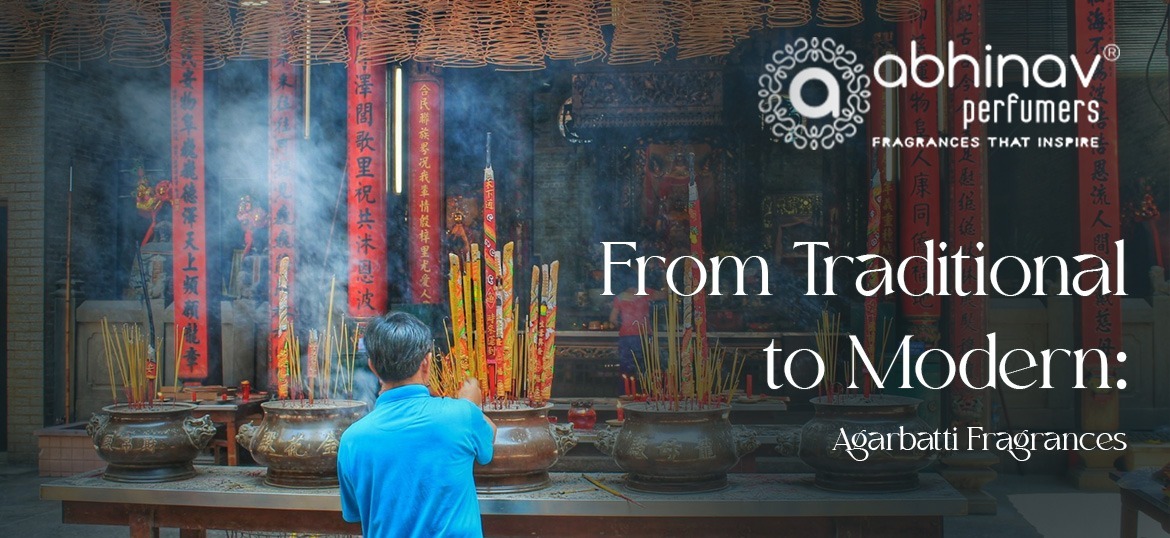
The agarbatti category in India stands on deep cultural roots. For decades, temple-inspired fragrances have dominated household rituals, daily prayers, and spiritual routines. Yet the market is changing. Urban consumers, younger buyers, and export-driven brands are steadily introducing modern fragrance profiles into the incense stick space.
This shift creates both opportunity and risk. Brands want to grow beyond traditional buyers, but they cannot afford to alienate their core audience. The real challenge is balance. Agarbatti fragrances must evolve carefully, supported by the right strategy and the right agarbatti fragrance manufacturers.
This blog explores how brands can expand into modern profiles without losing the trust and loyalty built through temple classics.
The Traditional Strength of Temple Inspired Agarbatti Fragrances
Temple notes remain the backbone of the incense industry. Their dominance is not accidental. These fragrances are deeply tied to habit, faith, and emotional comfort.
Temple-style agarbatti fragrances typically include:
- Sandalwood profiles
- Traditional floral accords
- Resinous and balsamic tones
- Camphor-like freshness
- Classic woody bases
These profiles succeed because they deliver familiarity. When consumers light an incense stick during prayer, they expect a specific emotional response. Any major deviation can create discomfort or distrust.
For many households, the fragrance of agarbatti is not merely functional. It signals purity, devotion, and routine. This emotional weight makes the category both powerful and sensitive to change.
Why Modern Profiles Are Entering the Agarbatti Market
Despite the strength of traditional notes, market dynamics are shifting. Several forces are pushing brands toward modern fragrance exploration.
Urban lifestyle evolution
Younger consumers are exposed to fine fragrances, home care products, and global scent trends. Their expectations from agarbatti fragrances are expanding beyond purely temple associations.
Premiumization of the category
As margins tighten in mass segments, brands are moving toward premium offerings. Modern fragrance profiles help justify higher price points.
Export market demand
International buyers often prefer softer florals, fresh profiles, and contemporary blends rather than heavy temple notes.
Occasion expansion
Agarbatti is no longer used only for prayer. Many consumers now use incense for:
- Relaxation
- Home ambience
- Meditation
- Aromatic lifestyle routines
These new use cases naturally demand broader fragrance profiles.
Understanding the Core Buyer Mindset
Before expanding, brands must clearly understand their existing consumers. The core agarbatti buyer values consistency above novelty.
Key traits of core buyers include:
- Strong preference for familiar fragrance profiles
- High sensitivity to changes in traditional notes
- Daily or ritual-based usage patterns
- Price-conscious but loyalty-driven behavior
For this segment, trust is fragile. Even small changes in fragrance character can trigger brand switching.
Therefore, expansion into modern profiles must never come at the cost of the core temple range. Growth should be additive, not substitutive.
Key Differences Between Temple Notes and Modern Profiles
Understanding the structural differences between these two fragrance directions helps brands plan smarter portfolios.
Emotional Association
Temple fragrances evoke devotion, purity, and ritual continuity. Modern profiles evoke lifestyle, mood enhancement, and personal space fragrance.
Usage Occasions
Temple notes are strongly linked to prayer time and religious rituals. Modern agarbatti fragrances are often used for:
- Evening relaxation
- Guest welcoming
- Home freshness
- Meditation spaces
Fragrance Structure
Traditional incense fragrances tend to be:
- Dense
- Resinous
- Woody
- Long-burning heavy profiles
Modern profiles are typically:
- Airier
- Layered
- Fine fragrance inspired
- Balanced for ambient use
Consumer Demographics
Temple buyers skew toward traditional households and routine users. Modern fragrance buyers include:
- Urban consumers
- Younger demographics
- Premium segment shoppers
- Export customers
Recognizing these differences helps brands avoid positioning confusion.
The Risk of Alienating Core Consumers
Many brands make the mistake of over-modernizing too quickly. This often leads to erosion of trust among loyal buyers.
Common risks include:
Fragrance drift in core products
If the classic sandalwood or floral profile changes even slightly, regular users notice immediately.
Packaging confusion
Blurring the visual identity between temple and modern ranges can create mistrust at the retail shelf.
Over-premium positioning
Aggressive premium moves can distance value-focused buyers.
Inconsistent burn experience
Modern fragrances must still perform within the incense burning format. If performance drops, acceptance falls.
The safest strategy is to protect the core while building the future alongside it.
Smart Portfolio Strategy for Agarbatti Brands
Successful brands treat modernization as a structured expansion rather than a replacement exercise.
Protect the Core Range
The traditional temple line must remain stable in:
- Fragrance profile
- Burn performance
- Visual identity
- Price positioning
Any reformulation should be extremely controlled and validated.
Introduce Bridge Fragrances
Bridge fragrances help transition conservative buyers toward newer profiles. These typically combine:
- Familiar woody or floral bases
- Mild contemporary top notes
- Balanced intensity
Examples include soft floral woods or fresh sandal variants. These feel new but not disruptive.
Create Clearly Segmented Product Lines
Clear segmentation prevents confusion. Brands should maintain distinct ranges such as:
- Temple classics
- Premium modern collection
- Export focused variants
- Lifestyle ambience series
This approach allows expansion without diluting brand trust.
Role of Agarbatti Fragrance Manufacturers in Managing the Transition
Behind every successful incense brand is a technically strong fragrance partner. Agarbatti fragrance manufacturers play a critical role in balancing tradition and innovation.
They help brands by:
- Mapping consumer fragrance preferences
- Developing stable burning profiles
- Ensuring smoke compatibility
- Maintaining batch consistency
- Creating scalable fragrance systems
Without technical expertise, even the most attractive fragrance concept can fail during actual burning.
Technical Considerations in Developing Modern Incense Stick Fragrances
Modernization in agarbatti fragrances is not just creative. It is deeply technical.
Burn Performance
The fragrance must survive combustion and still deliver a pleasant ambient experience. Not all fine fragrance notes translate well into incense format.
Smoke Compatibility
Certain ingredients can create harsh smoke or off-notes during burning. Industrial agarbatti fragrance manufacturers carefully screen materials for clean diffusion.
Fragrance Throw
Ambient spread must be balanced. Temple fragrances often rely on strong projection, while modern profiles require smoother diffusion.
Raw Material Stability
Incense sticks face heat, storage humidity, and long shelf cycles. Fragrance systems must remain stable across these conditions.
This is where technical perfumery becomes essential.
How Industrial Agarbatti Fragrance Manufacturers Enable Scalable Innovation
Large-scale incense brands require more than creative blends. They need reliability, repeatability, and cost control.
Industrial agarbatti fragrance manufacturers support this by providing:
- Consistent bulk production
- Heat-stable formulations
- Cost-optimized fragrance systems
- Application-specific testing
- Scalable supply chains
This industrial backbone allows brands to experiment with modern profiles without risking production instability.
How Abhinav Perfumers Supports Balanced Agarbatti Portfolio Development
As a specialized fragrance partner, Abhinav Perfumers works closely with incense brands navigating this transition phase.
Their approach focuses on three critical pillars.
Technical understanding of incense chemistry
Formulations are designed specifically for agarbatti bases, ensuring proper burn behavior and fragrance diffusion.
Balanced fragrance architecture
Both temple classics and modern profiles are developed with clear consumer positioning in mind.
Scalable industrial capability
Consistent batch quality, cost engineering, and performance validation support brands at every growth stage.
This combination helps agarbatti manufacturers expand confidently without disturbing their core market base.
Future Outlook for the Agarbatti Fragrance Market
The incense category is entering a dual-track future. Temple fragrances will remain dominant in volume, but modern profiles will drive premium growth.
Key trends likely to shape the market include:
- Gradual premiumization of urban agarbatti segments
- Rising demand for fine fragrance inspired incense
- Export-driven fragrance diversification
- Greater focus on clean-burning technologies
- Increased role of data-driven fragrance development
Brands that respect tradition while embracing structured innovation will capture the widest market.
The evolution of agarbatti fragrances is not a battle between tradition and modernity. It is a careful act of expansion.
Temple notes will continue to anchor consumer trust and ritual relevance. Modern profiles will unlock new occasions, new audiences, and new price tiers.
The brands that succeed will be those that move with precision. They will protect their core, segment intelligently, and partner with technically strong agarbatti fragrance manufacturers.
In an increasingly competitive incense market, growth will not come from abandoning tradition. It will come from building thoughtfully on top of it, one well-engineered fragrance at a time.